
In brief: From record visitor numbers and new flight routes to freshly opened museums, faster highways, and emerging food trends, here is everything that has changed in Georgia heading into the 2026 travel season.
Georgia's tourism landscape is evolving rapidly. The country welcomed a record 5.5 million international visitors in 2025, surpassing pre-pandemic levels and confirming what regular visitors already knew: this small Caucasus nation is firmly on the global travel map. But beyond the headline numbers, the real story is about how Georgia is changing, new roads, new rules, shifting visitor demographics, and a wave of openings that are reshaping the travel experience.
Here is our rundown of the most important developments for anyone planning a trip to Georgia in 2026, with a focus on what matters most when you are renting a car and exploring independently.
Record Tourism Numbers and What They Mean
Total tourism spending in Georgia hit 15 billion GEL in 2025, with visitors staying an average of 5.6 nights. The spending breakdown is revealing: shopping accounts for 28% of all tourist expenditure, followed by accommodation at 25% and food and drink at 23%. Only 13% goes toward activities and cultural experiences, suggesting there is still enormous room for growth in experiential tourism.
Geographically, tourism remains concentrated. Tbilisi accounts for 36% of all visits, followed by Adjara (largely Batumi) at 25%. Interestingly, Imereti, driven by Kutaisi's growing role as a western Georgia hub, now attracts nearly twice as many visitors as the Kakheti wine region.
New Flights and Better Air Connectivity
Passenger numbers at Georgian airports jumped 16% in January 2026 alone. Several major new routes have launched or are confirmed for this year:
- Etihad Airways enters the Georgian market with Tbilisi-Abu Dhabi flights from March
- Norwegian launches Copenhagen-Tbilisi services for summer 2026
- Condor adds a Frankfurt-Tbilisi connection
- Direct flights between Tbilisi and Beijing (via Urumqi) are now operating
Meanwhile, Tbilisi Airport is getting a major upgrade. A 150 million USD investment will expand the terminal by 50% and double annual passenger capacity from 5 to 10 million. A brand new airport at Vaziani is also in the works, with a planned opening in 2031.
At Kutaisi Airport, Wizz Air has added Bratislava and Venice to its route map, though some other services have been cut. For travelers flying into western Georgia, Kutaisi remains one of the most affordable entry points.
Faster Roads Across the Country
The biggest infrastructure news is the completion of the Rikoti Expressway between eastern and western Georgia. The final section opened on December 30, 2025, adding 52 kilometres of new four-lane road with 51 tunnels and 97 bridges. The drive from Tbilisi to Kutaisi now takes just 2.5 to 3 hours, a significant improvement over the old winding mountain road.
Train travel has improved too. A new 8.3-kilometre tunnel on the Tbilisi-Batumi line shaves roughly 30 minutes off the journey to the Black Sea coast.
In the mountains, road improvements continue on the Abano Pass (the only way into Tusheti) and the Goderdzi Pass in Upper Adjara. Both routes still require a capable 4x4 vehicle, but conditions are getting better each year. A Jeep Wrangler or Toyota 4Runner remains essential for these mountain passes.
New Rules for 2026: Mandatory Travel Insurance
The most important regulatory change for tourists is the introduction of mandatory health and accident insurance, which came into effect on January 1, 2026. All international visitors are now required to carry valid travel insurance for the duration of their stay. Make sure you arrange this before arrival.
Other policy changes mostly affect long-stay visitors and expats, including stricter work permit requirements and updated overstay penalties. Short-term tourists will not notice much difference beyond the insurance requirement.
What Is New in Tbilisi
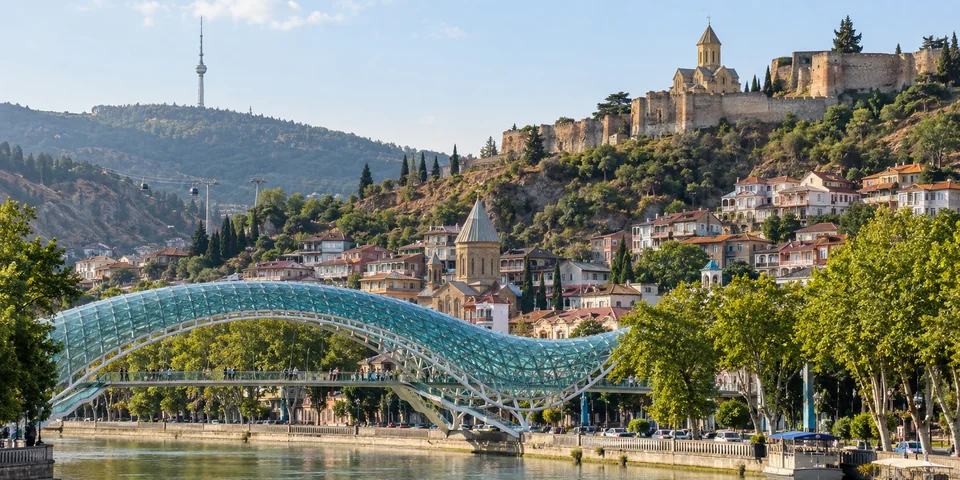
Tbilisi was named the world's second-most trending travel destination for 2026 by Tripadvisor, and the city continues to evolve at pace.
Restorations and Parks
Work continues on Narikala Fortress, while Vera Park renovations are complete and the iconic Chess Palace is scheduled to finish this year. Rustaveli Avenue is getting new footpaths, planned bike lanes, and several restored historic buildings.
Transport Improvements
A new tram line is moving ahead, with a 7.5-kilometre route connecting Didi Digomi to Didube Metro Station. Plans are also in motion to relaunch the historic Samgori-Vazisubani cable car and add a new pedestrian bridge at Station Square. There is even talk of regular boat services on the Mtkvari River.
Museums and Culture
The Art Foundation Anagi in Vake opened with contemporary galleries, an archive, and a small cinema. The museum inside the National Palace on Rustaveli has reopened with excellent guided English tours. The Merab Kostava Memorial House-Museum has also been renovated with new exhibition spaces.
Food Scene
The Telegraph Hotel's Grand Cafe was the biggest hospitality launch of 2025. The bakery scene is booming, led by Stamba Bakery, Brod the Bakery (Danish-style), and Giraffe Home. Starbucks enters Georgia in March with its first cafe in Vake, though independent specialty coffee shops still define the city's cafe culture. Georgia now counts nearly 9,826 restaurants, cafes, and bars, with about 1,100 new venues added in the past two years.
What Is New Outside Tbilisi
Kutaisi and Western Georgia
In Kutaisi, a new home for the State Historical Museum is nearing completion, and work has begun on a massive park around the former Parliament building. In nearby Tskaltubo, the Sanatorium Tbilisi renovation finally looks close to completion.
The Black Sea Coast
Batumi continues to grow with new creative hubs, the debut of Hotel Indigo Batumi inside the historic National Bank building, and the controversial Ambassadori Island project, an artificial island that will reshape part of the coastline.
Southern Georgia
In Samtskhe-Javakheti, both Akhaltsikhe and Borjomi central parks are being upgraded. The long-awaited Rooms Hotel Abastumani is expected to open this year, adding a premium accommodation option in one of Georgia's most atmospheric small towns.
Museums Across the Country
Five major regional museum projects are underway simultaneously: a new museum in Mtskheta, the Ilia Chavchavadze Memorial Complex in Saguramo, the Vazha-Pshavela House Museum in Chargali, the Tabidze Museum in Vani, and the Dadiani Palace Museum in Zugdidi.
Five Tourism Trends to Watch in 2026
1. Winter Is No Longer the Off-Season
Georgia's ski resorts are getting more attention than ever, particularly Gudauri, Bakuriani, and the rapidly expanding Goderdzi resort. Winter editions of popular festivals are popping up across the mountains, and a new Betania Ski Resort near Tbilisi is being developed with night-skiing infrastructure.
2. Nature Tourism Gets Infrastructure
Georgia's Protected Areas welcomed over 1.2 million visitors in 2025, up 13%. The government has announced plans to develop six new protected areas with improved visitor centres, marked trails, and parking. However, increased infrastructure also means higher prices, entrance to Prometheus Cave will cost 40 GEL from March 2026.
3. Archaeological Tourism Is Rising
Georgia's deep history is extraordinary but under-promoted. The Dmanisi Archaeological Site, where 1.8-million-year-old human remains have been found, is one of the most important prehistoric sites outside Africa. New facilities are planned around Imiris Gora, where 8,000-year-old wine vessels were discovered.
4. Bread Joins Wine as a Culinary Draw
UNESCO inscribed Georgian wheat-culture traditions on its Intangible Cultural Heritage list in 2025. Family bakeries growing endemic wheat varieties like makha and zanduri are gaining attention, and bread-focused food tourism (tone baking workshops, village oven visits) is emerging as a complement to the established wine tourism circuit.
5. Wine Tourism Is Expanding Beyond Kakheti
While Kakheti remains the default wine destination, alternative wine regions are gaining ground. The new Women in Wine Route connects visitors with female winemakers for intimate, story-driven experiences. Western Georgia's Imereti and Racha regions offer distinctive wines and a quieter, more authentic atmosphere.
Regional Connectivity: Armenia and Beyond
Turkish Airlines is launching direct Istanbul-Yerevan flights in March, and Wizz Air continues to expand its Yerevan offerings. This makes combining Georgia and Armenia easier than ever. We offer free delivery to Yerevan Airport for travelers planning cross-border trips.
Azerbaijan's land borders remain closed to inbound travelers until at least May 2026, and the Baku-Tbilisi overnight train is still paused.
Planning Your 2026 Trip
With faster highways, more international flights, and a wave of new openings, 2026 is shaping up to be an excellent year to visit Georgia. The country is more accessible than ever, but still rewards travelers who venture beyond the main cities with their own wheels.
We deliver cars free to Tbilisi Airport, Kutaisi Airport, Batumi Airport, and Yerevan Airport. Full off-road insurance options, roof tents, camping equipment, no deposit, unlimited mileage, and From EUR 49/day.
For practical driving advice, read our complete guide to driving in Georgia. To choose the right season, check our month-by-month weather guide. And for destination inspiration, browse our region-by-region guide to the best places in Georgia or our list of 15 hidden places most tourists never visit.
Sources
These official sources support the practical details in this guide. Recheck live schedules, prices, opening hours, and road conditions before you travel.
- Georgia Travel official destination guide - official country destination context for regions, cities, culture, and parks.
- Georgian MFA mandatory tourist insurance notice - official entry-policy notice for health and accident insurance requirements.