Table of Contents
- Istanbul in Winter
- Cappadocia in Snow
- Quiet Classics: Pamukkale and Ephesus
- Eastern Turkey: Ani, Kars, Lake Cildir, Ishak Pasha
- Ski and Mountain Areas
- What to Pack
- Vehicle Notes
- Winter Booking Habits
- Driving Red Flags
- Easy Winter Pairings
- FSTA Route Support
TL;DR: A practical winter Turkey guide for Istanbul, Cappadocia, thermal towns, mountain roads, packing, quieter travel, and realistic driving decisions.
Overview
Winter in Turkey is not one experience. Istanbul can be damp and atmospheric, Cappadocia can have snow-dusted valleys, eastern Turkey can be severe, Pamukkale and Ephesus can be quiet and bright, and ski areas around Bursa or the mountains can be busy on weekends. The right winter plan depends on which Turkey you want.
For drivers, winter means shorter daylight, more weather checks, and a stronger preference for routes with flexible accommodation.
Istanbul in Winter
Istanbul is one of the easiest winter bases. Museums, mosques, ferries, hammams, cafes, and food routes all work in cold weather. Rain and wind are common, so pack a real coat and waterproof shoes. The advantage is atmosphere and fewer peak-season crowds.
Cappadocia in Snow
Cappadocia can be magical in winter, especially when balloons fly over snowy valleys. It can also be icy, foggy, or grounded by wind. Stay at least two or three nights if balloons matter to you, and choose accommodation that is warm rather than only photogenic.
Quiet Classics: Pamukkale and Ephesus
Pamukkale and Ephesus are easier to enjoy outside summer heat. You still need to check weather, opening hours, and transport, but winter light can be beautiful and the walking is less punishing. Bring layers because open archaeological sites can feel cold in wind.
Eastern Turkey: Ani, Kars, Lake Cildir, Ishak Pasha
Eastern Turkey has some of the country's strongest winter landscapes, but it is a serious road environment. Snow, ice, and long distances are normal. Use winter-ready vehicles, check roads daily, and avoid ambitious night driving.
Ski and Mountain Areas
Uludag near Bursa is the classic winter resort option from Istanbul. Other mountain areas require more planning. Weekend traffic, parking, and accommodation prices can change the experience, so book ahead during holidays.
What to Pack
Bring layers, waterproof shoes, gloves for eastern routes, sunglasses for snow glare, and a power bank. Hotels in older buildings can be drafty. If driving, keep water and snacks in the car in case weather slows the day.
Vehicle Notes
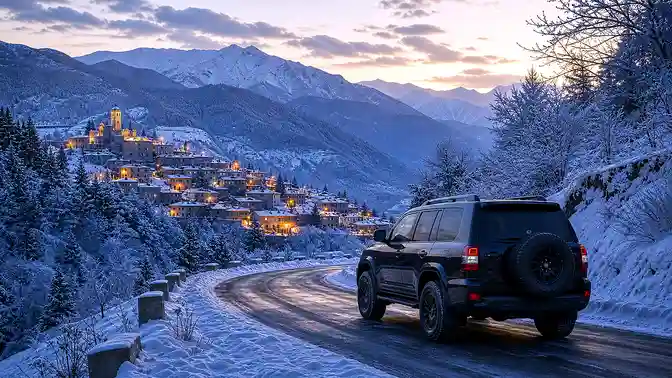
For western city-and-ruins routes, a normal car may be enough in good weather. For Cappadocia in snow, eastern Turkey, or mountain resorts, choose winter tyres and more clearance. Confirm equipment before pickup, not after the forecast changes.
Winter Booking Habits
Book flexible accommodation when roads or flights could be affected by weather. For Cappadocia balloons, stay multiple nights and avoid making the flight your final morning. For ski or holiday periods, reserve early because domestic demand can be strong.
Driving Red Flags
Do not ignore chain requirements, mountain forecasts, or local advice. If a hotel tells you a road is bad, believe them. Winter Turkey can move from easy highway to serious ice faster than visitors expect.
Easy Winter Pairings
For a lower-risk winter plan, pair Istanbul with Bursa or Cappadocia with Konya. For a more adventurous plan, pair Kars, Ani, Lake Cildir, and Ishak Pasha Palace with several buffer days. Avoid combining western ruins, central valleys, and eastern snowfields unless you have enough time for flights or separate car rentals.
FSTA Route Support
FSTA can help travelers decide where winter self-drive is sensible and where trains, flights, local drivers, or shorter rentals create a calmer Turkey-Caucasus plan.