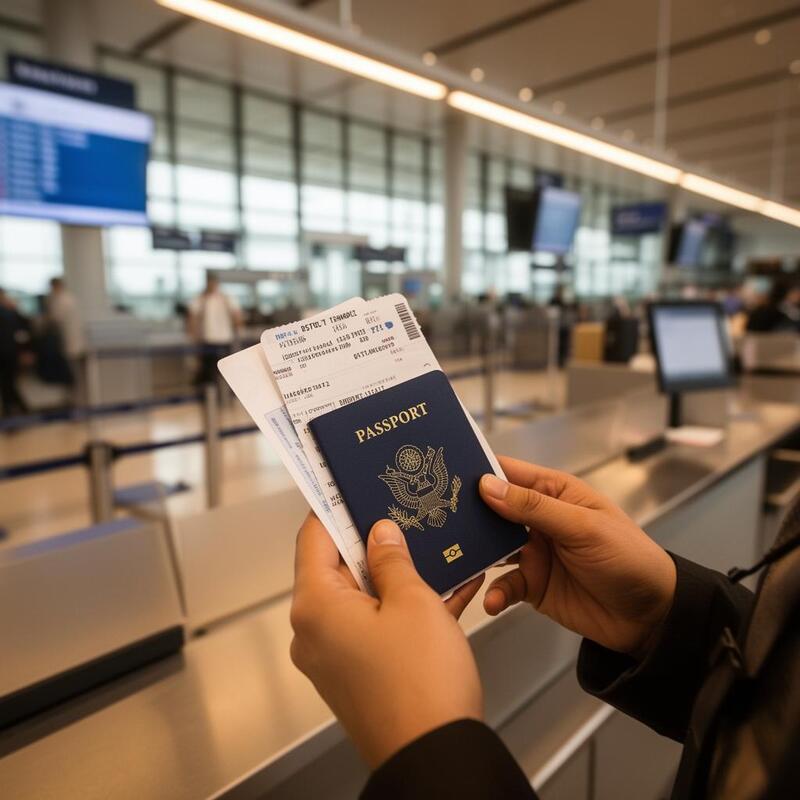
Travel insurance has always been a smart idea when visiting Georgia. As of January 1, 2026, it is no longer optional. The Georgian government now requires all international visitors to carry valid health and accident insurance for the duration of their stay. This applies to everyone, including passport holders from the 95+ countries eligible for visa-free entry.
Planning a trip to Georgia this year? Whether you fly into Tbilisi Airport, Kutaisi Airport, or cross a land border, you need to understand these requirements before you travel.
What the Law Requires
Government Regulation No. 602 took effect on January 1, 2026. Under this law, all tourists entering Georgia must hold an insurance policy that covers:
- Medical treatment and hospitalization with a minimum coverage of 30,000 GEL (approximately 11,000 USD)
- Accident-related expenses
- The entire duration of your stay, including your arrival and departure dates
The policy can be issued by either a Georgian or international insurance company and must be presentable in English or Georgian, in either digital or printed form.
Who Needs Insurance?
The requirement applies to all foreign visitors entering Georgia as tourists, regardless of nationality or visa status. This includes travelers from countries with visa-free access who previously did not need to show any documentation beyond a passport.
Exemptions apply to diplomatic passport holders, accredited representatives and their families, persons covered by international treaties, and international transport drivers.
What Happens If You Don't Have It?
Travelers without valid insurance may be refused entry to Georgia or face a fine reported at 300 GEL. In practice, airlines are checking insurance documents at check-in and at the gate before boarding. There have been reports of passengers being denied boarding for failing to show proof of coverage. Checks at Georgian passport control and land borders appear to be less consistent so far, but enforcement is expected to tighten over time.
How to Choose a Qualifying Policy
Most standard international travel insurance policies will meet the requirements. Your policy must include Georgia in the covered territory, meet the 30,000 GEL minimum for medical and accident expenses, show dates matching your stay, and provide a certificate in English or Georgian.
International Providers
Traditional travel insurance from established providers like Allianz, World Nomads, or HeyMondo is the most straightforward option. These policies come with clear English-language certificates that airline staff and border officials can easily verify. For longer stays, subscription-based options like SafetyWing's Nomad Insurance renew monthly and cover Georgia worldwide.
Georgian Providers
Several local insurers offer affordable policies designed specifically for visitors to Georgia, starting from as little as 1.5 GEL (about 50 US cents) per day. Options include TBC Insurance, Ardi's Welcomer package, Imedi L, and E-COVER. These are generally cheaper than international policies but may have more limited coverage and support.
Credit Card Insurance
Some premium credit cards include travel insurance that may qualify. You need a formal policy document showing medical coverage, minimum limits, Georgia as covered territory, and matching dates. Card benefits summaries alone are unlikely to be accepted.
How to Show Proof of Insurance
Carry your documents in multiple formats:
- A digital copy accessible on your phone
- A downloaded PDF available offline (in case you cannot connect to Wi-Fi at the airport)
- A printed copy as backup
Your policy certificate should clearly display your full name, coverage dates, the territory covered (including Georgia), the type of coverage (medical and accident), and the coverage amount (minimum 30,000 GEL or equivalent).
Why Insurance Matters Beyond the Legal Requirement
Georgia is a safe country with low crime rates. Healthcare in Tbilisi and Batumi is affordable by Western standards. Outside major cities, though, quality and access drop. In mountain regions where many of Georgia's best road trip destinations sit, facilities are basic and emergency response can be slow.
Road safety is one of the biggest practical risks for visitors. Accident rates are higher than in most European countries. This applies whether you are driving yourself, riding in a marshrutka, or taking a taxi. If you plan to drive mountain roads to Tusheti, Svaneti, or Racha, accident cover and evacuation insurance are essential.
Can You Buy Insurance at the Airport or Border?
No. At the time of writing, there are no facilities to purchase health or accident insurance at Georgian airports or land border crossings. There is no official mechanism to buy insurance on arrival. Airlines may refuse boarding if you cannot show valid insurance before departure. Always arrange your insurance before you travel.
Special Cases
Driving in Georgia
Travel insurance covers your health and accident expenses. It is separate from vehicle insurance. When you rent a car with FSTA, our rental packages include vehicle insurance options (basic and full coverage). Your personal travel insurance handles your medical costs if anything happens on the road. We recommend both.
Cross-Border Trips
If your itinerary includes driving from Georgia to Armenia or vice versa, make sure your travel insurance covers both countries. Most international policies cover multiple countries, but Georgian-issued policies may only cover Georgia. Check your policy territory before planning a cross-border trip.
Adventure Activities
Standard travel insurance may exclude certain activities like off-road driving, skiing, or high-altitude hiking. If your trip includes mountain passes in a 4x4, skiing at Gudauri, or trekking above 3,000 metres, check that your policy covers these activities. If not, add an adventure sports upgrade.
Planning Your Trip
The insurance requirement is one more reason to plan ahead. Arrange your policy before booking flights, carry documents in multiple formats, and make sure your coverage matches your full itinerary. For everything else you need to know before arriving, see our complete first-time visitor guide and our seasonal planning guide. Browse our full fleet to find the right car for your Georgia adventure.
Frequently Asked Questions — Georgia Travel Insurance 2026
- What is this guide about?
- From January 1, 2026, all visitors to Georgia must carry valid health and accident insurance. Here is what the new law requires, how it is being enforced, and which policies qualify.
- When is the best time to follow this guide?
- Most destinations and routes in Georgia are best from May to October. Winter travel works well for cities and ski resorts. Check seasonal notes in the article above for specific timing.
- Do I need a car for this?
- A rental car gives you the most flexibility. Many places covered in this guide are difficult or impossible to reach by public transport. For mountain roads, a 4x4 is recommended.
- Is it safe?
- Georgia is one of Europe's safest countries for travelers. The main risks are road conditions in remote areas, not personal safety. Always carry offline maps and a full tank when heading off main highways.
- How much does it cost?
- Georgia is affordable by European standards. Budget travelers can manage on 40 to 60 USD per day including accommodation, food, and fuel. Car rental starts from around 35 USD per day with FSTA.
Sources & References
- Georgian National Tourism Administration (GNTA) — official tourism body for Georgia
- UK FCDO — Georgia travel advice — safety and entry requirements
- US State Department — Georgia — travel advisory
- Australian DFAT — Georgia — travel advice
- Georgia (country) — Wikipedia
- Tourism in Georgia — Wikipedia
Pros and Cons: Offbeat vs Popular Destinations
Pros of Offbeat Destinations
- Fewer crowds — most sites have no other visitors at all
- More authentic experiences — interact with locals rather than tour groups
- Lower costs — accommodation, food, and activities are cheaper outside tourist hubs
- Better photography opportunities — no crowds, untouched landscapes, dramatic light
- Greater sense of discovery — explore places not yet covered by mainstream guidebooks
Cons of Offbeat Destinations
- Harder access — many require a 4x4 or long drives on unpaved roads
- Fewer amenities — limited guesthouses, restaurants, and fuel stations
- Less safety information — remote areas may lack cell coverage and emergency services
- Minimal signage — navigation depends on offline maps and local directions
- Seasonal restrictions — mountain destinations are only accessible from June to September